

Annette LiPuma and Lexi Novak





As young girls, we dreamed of becoming dancers and princesses. When people asked the age-old question of “What do you want to be when you grow up?”, we proudly yelled “President of the United States!” Our answers to this simple question became increasingly difficult to invent as the years dragged on. It went from dancer to actress, and from CEO to “whatever my parents want me to be.” Sadly, our dreams become smaller and less extravagant as we age and become jaded by the world around us.
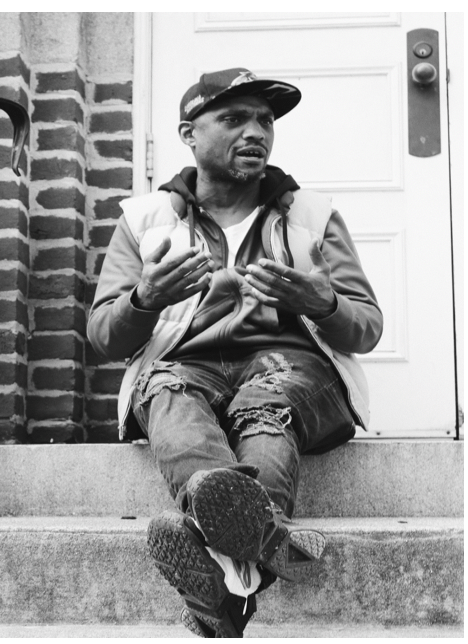
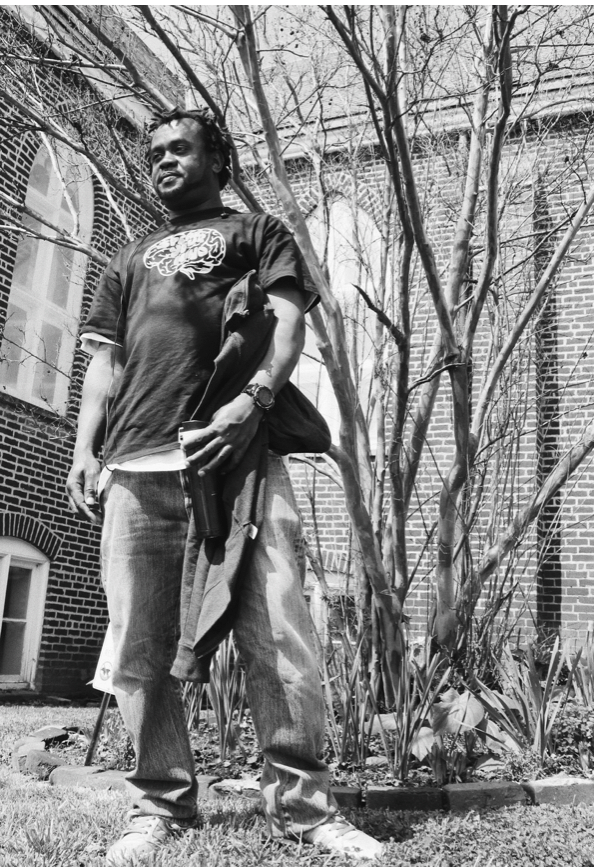
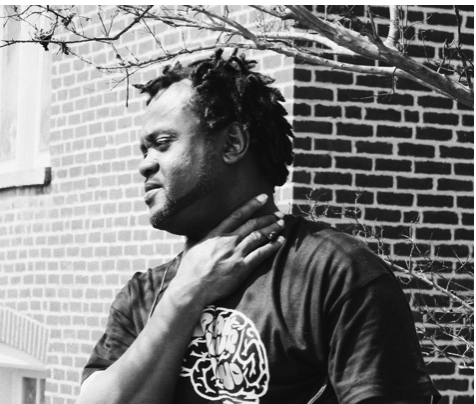
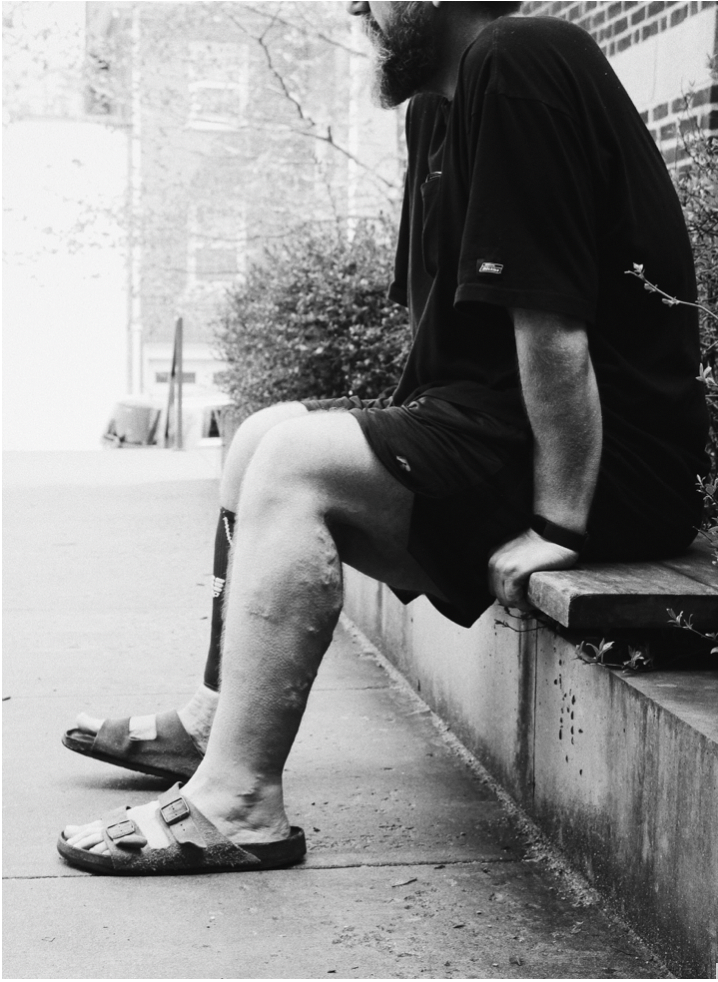
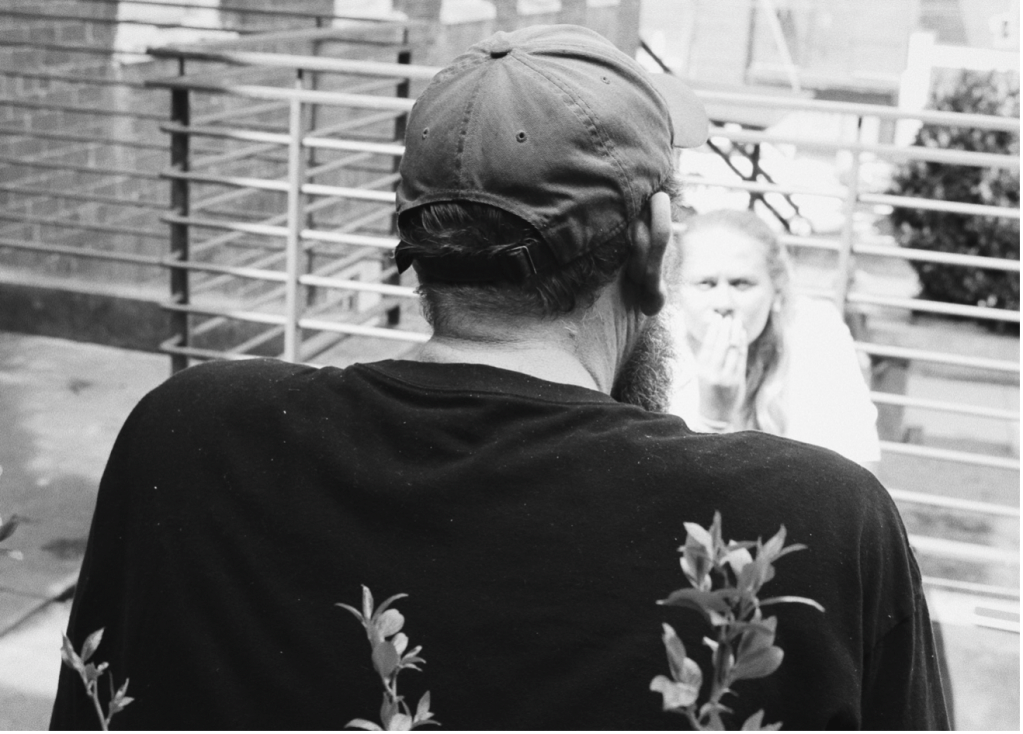
Fortunately, while working at The Haven, we have noticed something quite interesting about the homeless clientele that we serve. They may be the most forgotten about the population in our nation, but they are the most hopeful. We have discovered that in the absence of materials and the stereotypical aspects of life that are supposed to make one happy, the people who are homeless have found promise and faith in themselves. In the photographing of our subjects, we are showing the faces and bodies of an epidemic that has been dehumanized. Through this project, we aim to show the beauty of having hope- in yourself and your future.
Darrel
The south side of the Bronx is where a brilliant man named Darrel was born. As a student of the Harry S. Truman school, he was exposed to the inner city life and assumed many responsibilities as a young man. He loved to go to the movies with his friends and enjoyed going to school despite the popular stereotype that kids in underprivileged schools dislike their institution. Furthermore, Darrel dreamed of moving to Los Angeles or staying in Manhattan and becoming an actor. His friends didn’t support or share his dream, but that didn’t stop him from believing in himself. Darrel found work here and there but was unable to find a steady profitable job in Manhattan or the Bronx. As the years passed by, he kept pushing his aspirations further and further back until he found himself homeless in Charlottesville.
How does one find themselves without a home when his future could have been so bright? During the spring of 1996, Darrel made a permanent move to Virginia to join his friends in the area. The move was made without knowledge of where he would live and what work he would obtain. Though difficult, he was forced to change his living situation because of the expensive living costs in New York. Darrel came to Charlottesville with many aspirations, but luck was not on his side and even with the cheaper cost of living, he still found himself homeless and without steady work for the greater part of ten years. It is only now that he has secured permanent housing and a steady job in his community.
Darrel attributes his change in lifestyle to the people and clients of The Haven. He was mentored by one of the volunteers, Jean, and he found a family in his peers that he visited twice a week. Though he is now a taxi driver, Darrel is adamant about telling others that his dream of becoming an actor is not dead. It is more alive now than ever before. Throughout his interview, he kept repeating the phrase, “You can’t let your dreams die. That’s how you stay young”. I found that this held true to his life in particular. If I were in his shoes, I would have given up all of my aspirations a long time ago.
There comes a time when life gets too rough and too hard and you give up. However, Darrel found light in the darkness and happiness in the simplest of things. While with him, we learned that in order to stay happy, laugh at the little things, the things that seem irrelevant. Bring light to the dark times and become your own happiness. He has found that this keeps himself grounded and connected to the world around him. As a member of the homeless community, it is easy to feel forgotten and looked down on. Darrel is so much more than someone on the street or a black man walking down University Avenue. He is a multidimensional person who loves telling stories, watching the Big Bang Theory, and laughing to the comedy specials of Kevin Hart. Darrel is big-hearted and likes to remind his peers that he “loves everybody”.
Clayton
Clayton was always looking to fulfill the “American Dream”. From a young age, he grew up being fed the ideology that this is the land of opportunity and that everyone prospers. In Portsmouth, VA it seemed that everyone was happy and everyone was loved. Clayton is clear in his storytelling that this was not real and this naive view of the world worked to his disadvantage. Today, he is homeless. Today, he is still full of dreams and aspirations.
Growing up, he loved to go to school and especially to attend science lab with all of his friends. He dreamed of becoming an electrical engineer and moving with his family to wherever his job took him- he wanted adventure. As the years dragged on, he found that the American Dream was not what he thought it was when he was young. It was hard, ugly, and ruthless to the minorities in our country. Clayton was always at a loss with his education, with his connections, and with the opportunity to attend college. He was drowning in bills and family problems that took over this entire life. He realized that he was not living for himself anymore, but for others. His family was his life, but this was not his dream.
Today, at thirty-seven years old, Clayton is without a home but with many aspirations. He moved to Charlottesville, VA about in January 2019 and is building a life here with the help of his local homeless shelter, The Haven. Though he thinks that “The Haven is a very special place”, it is clear that he misses his family and is grieving the life that he thought he would have. Clayton is not living his dream but is starting to live for himself, and not his family, by working as an HVAC technician. He believes that there is always a place to start one’s journey, so he picked Charlottesville to be his place. He looks at The Haven to be a stepping stone- somewhere to facilitate his dreams.
When we asked him what advice he would give others who are working towards the same goal, he advises them to “calculate every decision they make and to make sure they examine all of the consequences”. He is fearful of making the wrong decision because of the detrimental effects it could have on his life now that he is homeless. Clayton knows that it is scary, but he is determined to find a way to be an electrical engineer and live out the life he has always imagined for himself.
Wes
Standing at 6 feet 5 inches, Wes immediately stands out from the crowd due to his commanding stature. Born and raised in Culpeper, Virginia, Wes led a life that many of us would find admirable and highly sought after––Wes married his high school sweetheart and founded his own IT business. Growing up in a household with three younger brothers, Wes was constantly looked up to––both figuratively and literally––and he sought to be a pillar of strength and admiration in his small community. In October of 2007, Wes married his longtime girlfriend and thought that he would be spending the rest of his time with the “love of his life.” Unfortunately, as years passed and his IT business began to dwindle and he started to lose clients, Wes and his wife’s marriage began to implode, leaving him sleeping on the couch in their living room for almost three years. The unsuitable living conditions for a man of his stature left Wes in searing back pain but he waited far too long to be seen by a doctor, as financial trouble were a growing strain in his daily life and especially his marriage.
After years of living on the couch in an unhappy marriage, Wes and his wife decided to end their marriage. Following a lengthy divorce and thousands of dollars in legal bills, Wes decided to start fresh and move to Charlottesville, in hopes of escaping his past and finding a new home in a foreign place. However, Wes’ back pain never ceased so he visited a surgeon at the University of Virginia Hospital. Wes was diagnosed with a spinal injury, undoubtedly caused by his lack of proper sleeping conditions, and he underwent five vertebrae spinal fusion. Unfortunately, the cost of this surgery left Wes living out of his car, which is where he was forced to recovery after his surgery. Since his surgery, Wes continues to live out of his truck, which is often parked on the street outside of the Haven.
Wes was never afforded the luxury of regaining his strength in a comfortable environment, which caused his spine to never fully heal properly, causing him to gain a considerable amount of weight and put a strain on his heart. Shortly after his surgery, Wes went into shock, which considerably damaged his heart, causing it to not fully close shut anymore. Wes had been clean and sober for 20 years and 1 month as of July 13, 2017, but then he felt as though he had to smoke marijuana to help him cope with the pain of his injury. Wes felt that he “had no other choice.”
Despite all that has happened to him throughout his lifetime, Wes has not given up hope. Wes still believes that he will meet the true love of his life and he hopes to restart his own IT business here in Charlottesville one day. Wes continues to dream about the kind of life he will live once he gets back up on his feet and even has aspirations of going back to school and becoming a licensed psychologist one day, as he feels as though he has gained a lot of valuable experience over the years. Today, Wes still lives in his 1994 Ford SUV. When talking to him, Wes said “I came from the average middle-class family. I was a lot like the students that attend UVA. I have dreams and aspirations like everyone else and I will continue to dream my wildest of dreams. I just never thought that I would end up where I am now.” Wes serves as a reminder to us all that our circumstances can change in the blink of an eye and that we never know what someone else’s dreams are unless we care enough to ask.
Reflection
Annette
While working on this paper, I found that the process has been difficult. This project has asked more of me than I had initially thought that it would. It was hard to speak through the difficult topics that surround the world of homelessness. However, I enjoyed every minute of creating this photo essay. We had similar visions for the outcome of this project and I enjoyed hearing all of Lexi’s ideas. It pushed me outside of my comfort zone and also asked me to connect on a deeper level with the people that I have spent every Saturday of my second semester with.
Lexi and I worked very well together and I found that it was simple to edit the piece with her. I felt that the creation of the essay was what Lexi and I spent the most time on. Every word in the piece was a calculated choice in how we wanted to narrate the lives of three amazing people. It felt like a weight sometimes when doing this project because of the fear of being wrong. Their stories were so important to us and we wanted to represent them as best as we could. Overall, I am so happy with how everything turned out and I am truly proud of the work that Lexi and I did.
Lexi
This final project was definitely my favorite piece that I worked on this semester. The interview process was daunting and I was nervous to begin conducting interviews. However, when I began talking with the three men we interviewed, the conversations flowed well and felt very natural. Without this project and having the opportunity to speak with and present my project to others, I would not have come to the realization that this project has bettered me as a person. There was a poem in the slideshow that was made for our showcase and the poem is about how if one stops to speak to strangers and people facing homelessness that you pass, he or she will come to find that they are just as normal as oneself. While volunteering at The Haven, I found this to be extremely applicable to my life. I am so grateful to have been given this opportunity to be a part of this class and I am so thankful for the relationships and experiences that I have formed throughout this process. Thank you for everything you have done for us this semester and I hope to take another one of your classes in the near future!
 The Community Writing Collective